Discover the Roots of St. John’s Island
A Journey Through the History of the Virgin Islands
Explore the rich and complex history of St. John—from its earliest Amerindian inhabitants to the Danish colonization, the 1733 slave revolt, and its eventual transition to U.S. territory. Each era shaped the island’s unique culture, resilience, and spirit that still define the Virgin Islands today.
Early Inhabitants of St. John (c. 770 BC - 1493 AD)
The earliest known inhabitants of St. John were Amerindian peoples, likely originating from South America. Archaeological evidence, including pottery and other artifacts, points to the presence of these early peoples as far back as 770 BC. These groups were likely part of the larger Arawakan-speaking peoples who spread through the Caribbean. Over time, the island was visited or inhabited by various Amerindian groups, including the Taíno, a subgroup of the Arawaks.
The Taíno were a more advanced civilization compared to earlier groups, with well-established agricultural practices and complex social structures. They built villages, grew crops such as cassava and tobacco, and engaged in fishing and trade with other Caribbean islands. However, by the time Christopher Columbus arrived in the region in 1493, it appears that St. John was either uninhabited or sparsely populated, with the last known inhabitants likely having left due to factors such as inter-island migration, natural disasters, or pressures from other indigenous groups.
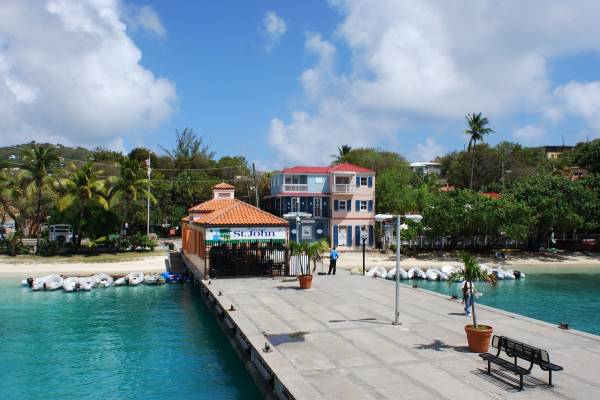
Today, visitors to St. John can explore archaeological sites, including petroglyphs (rock carvings) on the Reef Bay Hike, which offer a glimpse into the island's ancient history. The Virgin Islands National Park Center in Cruz Bay provides more insight into the early Amerindian presence on the island.
Early History of St. John (1493)
St. John has a rich history that dates back to the island's earliest inhabitants. For centuries, the island remained sparsely populated and was occasionally visited by explorers, traders, and shipwrecked sailors. Refugees and individuals seeking to escape colonial rule also found shelter on the island.
Through the 17th and early 18th centuries, St. John remained largely untouched, with small settlements gradually forming as the island developed its unique culture and communities.
Danish Colonization and the Slave Revolt (1718-1733)
In 1718, the Danish West India and Guinea Company formally took possession of St. John, along with nearby islands, and established a settlement in Coral Bay. This was the beginning of formal European colonization of the Virgin Islands. The Danish introduced sugarcane cultivation on St. John, and by the mid-1700s, the island became heavily reliant on enslaved African labor. Sugar plantations flourished on the fertile land, especially in the southern parts of the island, where the topography was more suitable for large-scale agriculture.
However, the institution of slavery sparked unrest among the enslaved population. The most significant uprising occurred in 1733, known as the Slave Revolt of 1733, which was one of the earliest and most important slave rebellions in the Caribbean. Enslaved people on St. John, led by a man named Cudjoe, rose up against their oppressors, burning plantations and killing some of the colonial overseers. The revolt lasted several months, but ultimately, the Danish were able to crush the resistance, executing many of the rebels. Despite this, the revolt marked the beginning of the end of slavery in the Caribbean and inspired other uprisings across the region.
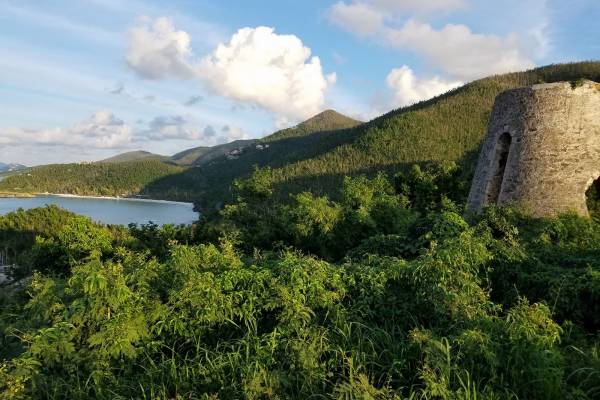
Today, the Emancipation Statue in Cruz Bay commemorates the abolition of slavery in the Virgin Islands, which occurred in 1848. Visitors to St. John can also explore the remnants of sugar plantations and learn more about the history of slavery through educational programs at the National Park.
Danish Rule and the Transition to U.S. Ownership (1718-1917)
St. John, along with the other Virgin Islands, remained under Danish control for nearly two centuries. The Danish government continued to rely on sugar production and enslaved labor until the abolition of slavery in the mid-19th century. The island's economy shifted in the post-slavery era, and although sugar was still cultivated, other industries such as small-scale agriculture and fishing began to play a more significant role.
In 1917, the United States purchased the Virgin Islands from Denmark for $25 million, primarily as a strategic move during World War I. The islands were seen as important for defense purposes, especially given their location near the Panama Canal. The U.S. acquisition marked the end of Danish colonial rule and began a new chapter in the Virgin Islands' history. However, it wasn't until 1927 that the inhabitants of the Virgin Islands were granted U.S. citizenship, a long-delayed recognition that changed the political landscape of the territory.
The Rockefeller Era and the Creation of the National Park (1950s)
The transformation of St. John from a colonial outpost to a modern tourist destination began in the 1950s, when Laurence Rockefeller, heir to the Rockefeller fortune, purchased two-thirds of the island. Rockefeller, who had a deep love for the natural beauty of the Virgin Islands, worked to preserve the pristine environment of St. John while simultaneously promoting tourism. He played a major role in the creation of the Virgin Islands National Park, which was officially established in 1956.
Rockefeller's vision for the park was to protect the island's unique ecosystems, including its diverse marine life, beaches, and forests, while also encouraging sustainable tourism. In the 1960s, St. John began to emerge as a popular destination for visitors seeking an idyllic Caribbean retreat. The island's unspoiled beaches, turquoise waters, and lush mountains made it a perfect escape for nature lovers and adventurers.
A fascinating tidbit from the 1959 Catalogue of the West Indies describes how St. John was once so isolated that even common illnesses like the cold were nonexistent on the island. However, as tourism grew and more people from around the world visited, the island's previously isolated ecosystem began to change.
Modern-Day St. John: Tourism and Political Evolution
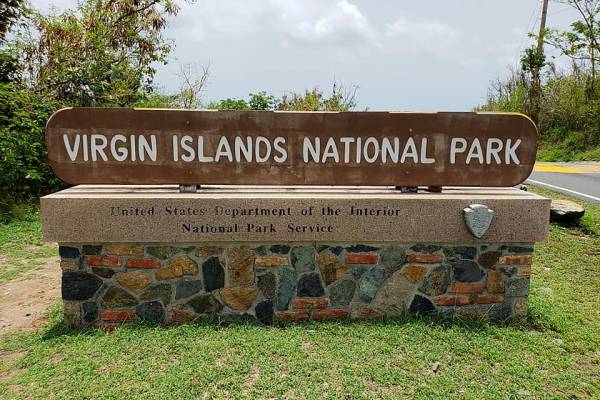
St. John's natural beauty and charm continue to draw travelers from around the world. The Virgin Islands National Park, which now covers about two-thirds of St. John's land area, remains the heart of the island's appeal. The park offers visitors the chance to explore hiking trails, snorkel in vibrant coral reefs, and enjoy the unspoiled beaches that have made St. John so famous.
The Virgin Islands was granted local self-government in 1968, when the Virgin Islands Legislature was created. This allowed the islands to elect their own governor and begin taking control over local matters. However, as of 2009, the islands still do not have a formal Territorial Constitution, although one has been drafted. This has been a long-standing issue as residents continue to advocate for more autonomy and recognition of their political rights.
Conclusion
St. John's history is a fascinating mix of indigenous cultures, colonial struggles, and modern-day preservation. From its earliest Amerindian inhabitants to the island's status as a beloved national park, St. John has evolved into a place where history, culture, and natural beauty intersect. Whether you're hiking through lush forests, visiting historical sites like the petroglyphs and Emancipation Statue, or simply enjoying the serene beaches, St. John offers an experience unlike any other in the Caribbean.
The Story of St. Thomas, U.S. Virgin Islands
A Journey Through Time: From Ancient Peoples to Paradise in the U.S. Virgin Islands
The First Islanders of the U.S. Virgin Islands
Long before European ships appeared on the horizon, the islands that now make up the U.S. Virgin Islands — including St. Thomas, St. John, and St. Croix — were home to a succession of Indigenous peoples who lived in harmony with the land and sea. The earliest known inhabitants, the Ciboney, arrived as early as 1500 BC, followed centuries later by the Arawak and Carib peoples.
These early islanders thrived on fishing, farming, and crafting tools from stone and shell. They built villages near the coast, raised cassava and sweet potatoes, and traveled between the islands of the U.S. Virgin Islands in dugout canoes. Their spiritual beliefs were deeply connected to nature and the ocean — a bond that still shapes Caribbean and Virgin Islands culture today.
Archaeological finds across the U.S. Virgin Islands, including pottery shards and shell tools discovered in Tutu and Hull Bay on St. Thomas, reveal a peaceful, community-based way of life before European contact forever changed the region.
Discovery and Colonization in the U.S. Virgin Islands
In 1493, Christopher Columbus sighted the Virgin Islands on his second voyage to the New World. He named the archipelago "Las Once Mil Vírgenes" — "The Eleven Thousand Virgins" — after the legend of St. Ursula and her followers. Despite this European "discovery," no lasting settlements were made for more than a century across what we now know as the U.S. Virgin Islands.
By the mid-1600s, colonization began in earnest. After failed attempts by the Spanish, English, and Dutch, Denmark successfully claimed St. Thomas in 1672, founding the first permanent European settlement in what would later become the U.S. Virgin Islands. Neighboring St. John and St. Croix were added in the following decades.
The Danes quickly recognized St. Thomas's natural deep-water harbor — now Charlotte Amalie — as a perfect trading hub. It soon became one of the busiest ports in the Caribbean and the commercial heart of the future U.S. Virgin Islands.
Pirates, Privateers, and Prosperity in the U.S. Virgin Islands
During the 17th and 18th centuries, St. Thomas gained fame as one of the liveliest ports in the Caribbean and across the emerging U.S. Virgin Islands region. Its free port status, open trade policies, and ideal location made it a magnet for merchants — and for pirates and privateers.
Legends tell of Blackbeard and Bluebeard, who are said to have used St. Thomas as their base of operations. Their names live on today at Blackbeard's Castle and Bluebeard's Hill, historic sites that blend myth with real maritime history.
At the same time, the plantation system took root across the Danish West Indies, including the islands that would become the U.S. Virgin Islands. Enslaved Africans were brought in large numbers to work the sugar plantations, producing sugar, rum, and molasses that enriched European merchants. The island's prosperity rested on their labor and suffering — a painful but vital chapter in the story of the U.S. Virgin Islands.
Emancipation and Social Change in the U.S. Virgin Islands
By the mid-1800s, unrest grew throughout the Danish West Indies. Harsh conditions and inequality led to rebellion and a demand for freedom. On July 3, 1848, enslaved laborers on St. Croix, led by Moses "General Buddhoe" Gottlieb, organized a massive uprising that forced the Danish governor to abolish slavery.
This monumental day — celebrated each year as Emancipation Day — marks one of the most important events in the history of the U.S. Virgin Islands.
After emancipation, many freed people migrated to St. Thomas, seeking opportunities in trade and shipping as the plantation economy declined. The island reinvented itself as a bustling maritime hub, becoming the economic center of the U.S. Virgin Islands and a crossroads for cultures, languages, and ideas.
Becoming Part of the United States: The Birth of the U.S. Virgin Islands
By the early 20th century, Denmark's Caribbean colonies were struggling financially, while the United States recognized the strategic military value of the islands — especially the harbor at St. Thomas, one of the finest in the Caribbean.
In 1917, after negotiations, the United States purchased St. Thomas, St. John, and St. Croix from Denmark for $25 million in gold, officially transforming the Danish West Indies into the U.S. Virgin Islands. The transfer was finalized on March 31, 1917, celebrated every year as Transfer Day across the islands.
In 1927, the residents of the U.S. Virgin Islands were granted U.S. citizenship, beginning a new era. Though politically American, the people of St. Thomas and the wider U.S. Virgin Islands retained their vibrant Caribbean identity — blending African heritage, Danish architecture, and American influences into a unique culture all their own.
Modern St. Thomas and the U.S. Virgin Islands Today
Over the decades, St. Thomas has evolved into one of the premier destinations in the Caribbean and the crown jewel of the U.S. Virgin Islands. Known for its turquoise bays, coral reefs, and historic charm, St. Thomas attracts visitors from around the world while proudly preserving its history.
The capital city, Charlotte Amalie, remains one of the busiest cruise ports in the U.S. Virgin Islands and the Caribbean. Its red-roofed buildings, cobblestone streets, and colonial architecture tell the story of centuries past. Notable landmarks include:
- Fort Christian (1672) – the oldest standing structure in the U.S. Virgin Islands, built to protect the island's harbor.
- 99 Steps – one of many stairways built from Danish ballast bricks, a hallmark of St. Thomas and the U.S. Virgin Islands.
- Emancipation Garden – a public park honoring the 1848 abolition of slavery, a defining moment in the history of the U.S. Virgin Islands.
Visitors exploring the U.S. Virgin Islands can also enjoy Magens Bay, Drake's Seat, and the historic Frederick Lutheran Church, built in 1793 — all iconic sites that showcase the beauty and resilience of St. Thomas and its sister islands.
A Living Heritage in the U.S. Virgin Islands
Today, St. Thomas stands as a vibrant blend of African, Danish, Caribbean, and American cultures — a living reflection of the complex history of the U.S. Virgin Islands. The people of St. Thomas, known as Thomians, are proud of their island's spirit, resilience, and deep community ties.
From its Indigenous roots and colonial hardships to its modern-day beauty and cultural pride, St. Thomas, U.S. Virgin Islands, is not just a tropical getaway — it's a living story of endurance, transformation, and hope.
Whether you're walking the streets of Charlotte Amalie, watching the sunset over the harbor, or learning about the history that shaped the U.S. Virgin Islands, you are part of a story that stretches across centuries — a story of islands, people, and a proud heritage that continues to shine bright in the heart of the Caribbean.
St. CROIX HISTORY
A Tapestry of Cultures, Courage, and Change in the Heart of the U.S. Virgin Islands
Ancient Beginnings
Long before the U.S. Virgin Islands appeared on any European map, St. Croix was home to vibrant Indigenous peoples — the Ciboney, Arawak, and later the Carib. They lived peacefully for centuries, sustained by the fertile land and the surrounding Caribbean Sea.
They called the island "Ay Ay," meaning "The River," reflecting the freshwater streams and lush valleys that made St. Croix one of the most desirable islands in the region. These early islanders fished, farmed cassava and maize, and traded with nearby islands across what we now call the U.S. Virgin Islands.
Archaeological sites at Salt River Bay National Historical Park — a National Park Service site today — preserve the deep Indigenous roots of St. Croix and the entire U.S. Virgin Islands.
A Contested Paradise
In 1493, Christopher Columbus landed at Salt River Bay on his second voyage to the Americas, marking the first recorded European encounter within the modern-day U.S. Virgin Islands. His arrival sparked conflict with the island's Indigenous residents — the only known battle between Columbus's men and native Caribbean people.
Over the next two centuries, St. Croix became one of the most contested territories in the Caribbean. Control passed through the hands of the Spanish, Dutch, English, French, the Knights of Malta, and finally, the Danish — each seeking to exploit its fertile soil and strategic position in the Caribbean Sea.
In 1733, Denmark officially added St. Croix to its growing holdings in the Danish West Indies, alongside St. Thomas and St. John. This union would later evolve into what we now know as the U.S. Virgin Islands. Under Danish rule, St. Croix blossomed into a powerhouse of sugar, cotton, and rum production, built on the labor of enslaved Africans.
Sugar, Slavery, and Resistance
By the 18th century, St. Croix was known as the "Garden of the West Indies." The island's plantations made it the economic heart of what would become the U.S. Virgin Islands, but this prosperity came at an unbearable cost.
Tens of thousands of enslaved Africans were brought to St. Croix to work the plantations under brutal conditions. Despite the oppression, the enslaved population preserved African culture, language, and music — shaping the foundation of the rich Creole and cultural identity seen throughout the U.S. Virgin Islands today.
On July 3, 1848, led by Moses "General Buddhoe" Gottlieb, enslaved workers gathered at Fort Frederik in Frederiksted, demanding freedom. The uprising succeeded — slavery was abolished that very day, decades before the United States would end slavery on the mainland. This landmark event remains one of the proudest moments in the history of the U.S. Virgin Islands, commemorated annually as Emancipation Day.
After Emancipation: The Fireburn
Freedom brought hope, but not equality. Plantation owners imposed harsh labor contracts, keeping freed people in poverty. In 1878, frustration erupted again in the Fireburn Uprising, one of the most powerful labor revolts in Caribbean history.
Four heroic women — Queen Mary, Queen Agnes, Queen Mathilda, and Queen Susanna — led the protest, demanding better wages and treatment for workers. Much of Frederiksted burned, but their courage ignited a lasting labor movement that helped shape the future of the U.S. Virgin Islands.
Today, statues of these "Four Queens" stand as proud symbols of resistance and empowerment, representing not just St. Croix, but the entire spirit of the U.S. Virgin Islands.
From Danish Colony to the U.S. Virgin Islands
By the early 20th century, the Danish West Indies were no longer profitable for Denmark. Meanwhile, the United States saw the islands' strategic value — particularly St. Croix's location near vital Caribbean shipping lanes.
In 1917, the United States purchased St. Croix, St. Thomas, and St. John from Denmark for $25 million in gold, officially creating the U.S. Virgin Islands. The transfer was finalized on March 31, 1917, a day still celebrated across all three islands as Transfer Day.
Residents of the U.S. Virgin Islands became U.S. citizens in 1927, though they maintained their own cultural traditions, festivals, and local government. The change marked a new chapter for St. Croix — one tied to American governance but deeply rooted in Caribbean identity.
Modern St. Croix: The Heart of the U.S. Virgin Islands
As the largest and most diverse island in the U.S. Virgin Islands, St. Croix evolved beyond its plantation past. Sugar production declined in the 20th century, giving way to new industries — rum production, oil refining, manufacturing, and tourism.
Two main towns anchor the island's identity:
- Christiansted, once the colonial capital, features colorful Danish-era buildings, cobblestone streets, and Fort Christiansvaern — a vivid reminder of the island's colonial past.
- Frederiksted, on the western end, is the emotional soul of St. Croix — home to Fort Frederik, Emancipation Park, and the legacy of the island's freedom fighters.
Visitors can explore the Estate Whim Museum, historic sugar mills, and plantation ruins scattered across the island — each telling a story of the people who built, resisted, and reshaped this land into the proud community it is today.
A Living Heritage in the U.S. Virgin Islands
Today, St. Croix stands as a beacon of culture and resilience within the U.S. Virgin Islands. Its people — known as Crucians — carry forward a legacy of strength, creativity, and pride. From its vibrant festivals like Crucian Christmas Carnival to its steel pan music, cuisine, and art, St. Croix embodies the heartbeat of the Virgin Islands.
Whether you're walking the historic streets of Christiansted, dancing in Frederiksted, or swimming in the crystal waters of Cane Bay, you're experiencing a living history — one that connects the struggles and triumphs of the past with the vibrant spirit of the modern U.S. Virgin Islands.
St. Croix's story — from ancient cultures and colonial struggles to emancipation and self-determination — is inseparable from the story of the U.S. Virgin Islands themselves: a story of endurance, identity, and hope beneath the Caribbean sun.